Muffled hearing can impact every facet of your life, leaving you feeling disoriented and isolated from the world around you. While the anxiety of permanent hearing damage is a common first response, the actual source is frequently a simple accumulation of earwax.
Distinguishing between a cerumen blockage and true hearing impairment is vital for determining if you need a simple removal or a formal audiological exam. Avoid the urge to worry if your hearing feels suddenly reduced. An exam can help you uncover the source of it, but in the meantime, here’s what you need to know about earwax buildup (also known as cerumen impaction) vs. hearing loss.
What Earwax Buildup Feels Like
Cerumen is essentially a healthy, natural secretion intended to shield the ear canal from dust and external debris. Issues occur when excessive wax accumulates or becomes impacted.
Signs of a blockage often feature:
- Progressive or abrupt muffled hearing
- The sense that there is a mechanical plug in the canal
- Overall ear discomfort or minor aching
- Persistent buzzing or hissing sounds
- Sound clarity that changes or improves briefly with chewing
A hallmark of wax-induced sound fluctuations is imbalance, usually impacting one side more than the other. The good news is that professional clearance typically results in an immediate return of your original hearing levels.
How Auditory Loss Typically Presents
Auditory decline, particularly presbycusis or trauma-based hearing loss, tends to progress slowly and doesn’t improve when the canal is cleared.
Symptoms of true auditory impairment may include:
- Difficulty understanding speech, particularly in loud environments
- Frequently requesting others to restate themselves
- Setting media levels to a level that people find uncomfortable
- Diminished sensitivity to higher-pitched sound input
- Auditory ability equally reduced in both ears
Importantly, hearing impairment is a clarity concern that rarely includes the sense of manual fullness found with cerumen.
Key Differences Summarized
Several fundamental signs can help you ascertain whether you are contending with a treatable obstruction or a more permanent shift:
- Development: Wax-related dampening can be quick, but lasting loss takes decades
- Reversibility: Wax-related hearing changes are usually temporary; hearing loss is often permanent
- Symptoms: Pressure and irritation suggest wax; speech clarity issues indicate impairment
- Asymmetry: Wax often impacts one ear; auditory impairment commonly affects both
The Dangers of At-Home Cerumen Removal
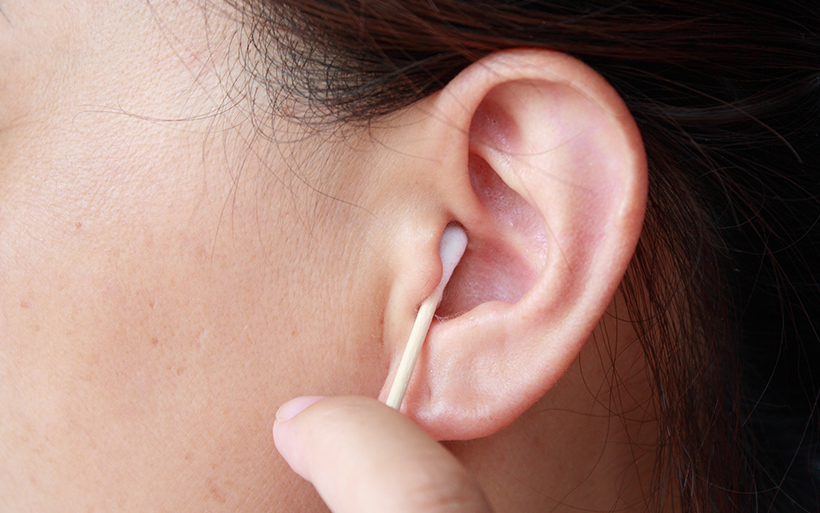
Numerous people make the error of trying to extract a perceived blockage themselves using swabs or home items. Using foreign objects typically pushes the plug deeper into the ear, heightening the risk of injury.
Medical research shows that self-cleaning often leads to accidental injury or more difficult-to-treat blockages.
In the same way, ignoring early hearing loss can delay care that assists in maintaining communication, security, and well-being.
How a Clinical Evaluation Helps
A specialist can employ an earlight to instantly see if a physical blockage is present.
If cerumen is found, clinical extraction often clears signs immediately.
Should the auditory canal be clear but hearing difficulties continue, an audiogram can evaluate if auditory impairment is identifiable and identify its type and severity.
Health experts advise obtaining a professional opinion as soon as you notice auditory changes that affect your routine.
Final Points on Cerumen and Hearing Health
Muted auditory quality is hardly a certain marker of chronic impairment.
Very often, the problem is merely a collection of cerumen that can be quickly cleared.
Seeking expert attention guarantees you locate the specific cause and the proper remedy for your auditory requirements.
Keep in mind that self-diagnosis is hardly a replacement for a professional check-up when it pertains to your hearing.
Treating the concern immediately stops the anxiety of the uncertainty and places you on the track to better auditory function.
Instead of guessing what is wrong, schedule a rapid consultation with our specialists to get the truth.
