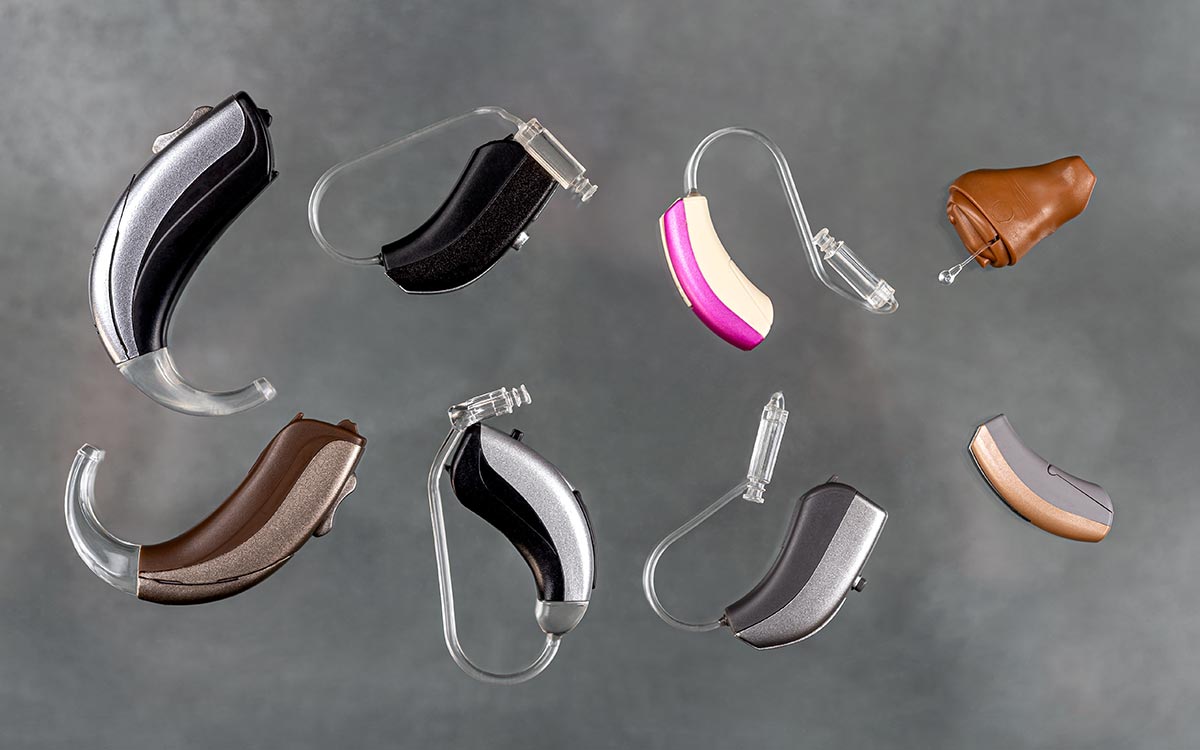
Choosing an instrument can feel daunting, especially when today’s units come in so many styles, sizes, and technology levels. Rest assured that there is a hearing device customized to every lifestyle and degree of impairment. It’s all about learning which model fits perfectly with your specific requirements.
Understanding the distinctions among the most popular types of hearing aids can help you feel more informed and confident as you explore your options. This guide examines the most common styles and highlights the specific advantages each one offers.
In-the-Canal (ITC) Hearing Aids
The Meaning:
A custom device is engineered to sit partially within the ear canal while showing just a small section in the outer ear area.
Why users select them:
- Provides an understated look compared to traditional styles
- Custom-molded for ease
- A useful choice for those with moderate hearing needs
Because they provide both discretion and useful features, ITC models are a top pick for those new to hearing technology.
Invisible-in-Canal (IIC) Hearing Aids
What they are:
IIC models are the most tiny custom-fitted hearing solutions you can choose. They are placed deep within the canal to remain hidden from view.
Why they are favored:
- The best choice for patients prioritizing appearance
- Provides realistic sound because of where the device sits
- Designed for comfort with a highly small footprint
IIC devices are primarily aimed at those with moderate hearing needs who want their technology to remain completely unnoticed.
Understanding In-the-Ear (ITE) Units
What they represent:
These models occupy either the complete or bottom half of the outer ear bowl. They are custom-made to match the contours of your ear.
Why people choose them:
- A slightly larger casing accommodates advanced tech and more powerful batteries
- The physical size is easier to grip and adjust for users with fine motor concerns
- Effective for an extensive spectrum of hearing impairments, ranging from mild to severe
The all-in-one style of the ITE style makes it an ideal choice for those who dislike behind-the-ear equipment.
Traditional Behind-the-Ear (BTE) Models
Summary:
A BTE hearing aid is worn outside the ear for an optimal fit. Audio is sent via an ultra-fine tube or a personalized mold in the canal.
Why users select them:
- Known for being exceptionally adaptable and robust
- Can be programmed to assist users with everything from mild to profound loss
- Large enough to include sophisticated software and modern rechargeable technology
If you require a sturdy hearing aid that is easy to operate and offers high-power output, the BTE style is ideal.
RIC (Receiver-in-Canal) Overview
Design Specifications:
While they match BTE units, RIC aids place the speaker directly in the canal for better sound delivery.
Why they are favored:
- Known for producing some of the most authentic audio in the industry
- Offers an incredibly low-profile look that is easy for almost everyone
- A versatile solution that works for various degrees of auditory needs
Thanks to their comfort and aesthetic appeal, RIC devices have become an industry standard.
Long-Term “Set and Forget” Devices
Usage Profile:
An audiologist places these specialized hearing aids deep into the canal, where they remain for multiple weeks.
Lifestyle Advantages:
- Eliminates the need to place in or take out the device every day
- Almost invisible
- You can go about your whole life—including sports and rest—while wearing them
Extended-wear devices are perfect for those who want an effortless approach.
Bluetooth-Enabled Hearing Aids
Operation:
Bluetooth-ready hearing aids enable an electronic bridge between your hearing technology and your smart devices.
Why users select them:
- Turn your hearing aids into wireless earphones for all your favorite audio
- Provides an unobtrusive method to manage your hearing environment from your mobile screen
- Provides the ultimate in ease for people who use smartphones regularly
This wireless technology is located in many modern behind-the-ear and in-the-canal models.
Understanding Middle-Ear Implant Systems
Technical Definition:
This technology requires a surgical procedure to place a device that mechanically stimulates the bones of the middle ear.
Why patients pick them:
- Provides a solution for individuals with anatomy that prevents the use of conventional aids
- Comfortable option for chronic ear issues related to traditional devices
Middle-ear implants are typically suggested only after a full evaluation by a hearing specialist.
Selecting Your Ideal Hearing Option
Since each hearing aid design has distinct assets, the best choice is based on your specific hearing needs, your daily activities, and your aesthetic goals. An expert can provide the support needed to test out different styles and find the one that fits your life perfectly.
If you’re ready to investigate the possibilities, schedule an auditory evaluation today. It’s an excellent first step toward better hearing and more confident communication every day.
Sources:
https://www.mayoclinic.org/diseases-conditions/hearing-loss/in-depth/hearing-aids/art-
20044116
https://www.hearinglife.com/hearing-aids/types
https://www.nidcd.nih.gov/health/hearing-aids
